
Fundamentals of astronomy
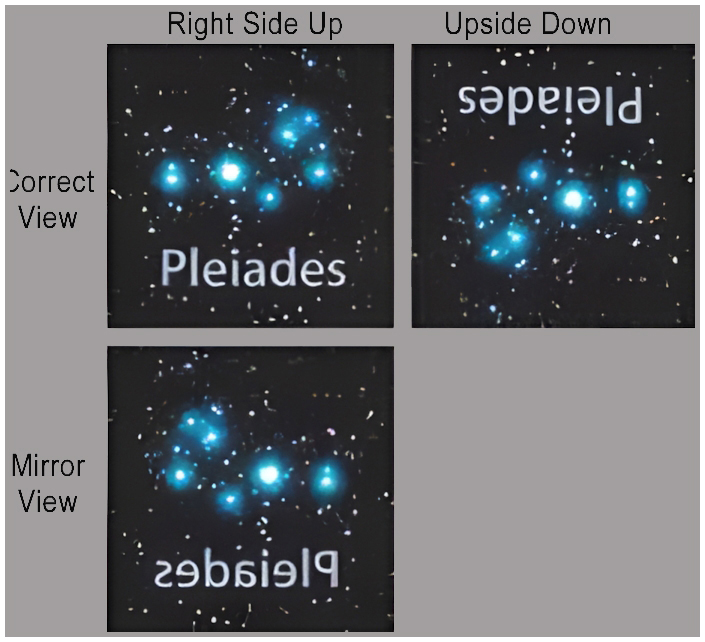
Fundamentals Of Astronomy Part 1 – Telescope Image Orentation
This document explains how different telescope designs—refractors, reflectors, and Schmidt-Cassegrain types—produce various image orientations, depending on the presence or absence of a star diagonal or erecting prism.
It details how images can appear inverted, mirrored, or upright, and describes the challenges these orientations pose when matching visual fields with star charts. The text provides a practical table summarizing the net effect of configuration on vertical and horizontal orientation, and it discusses how understanding these effects is fundamental for both novice and experienced astronomers
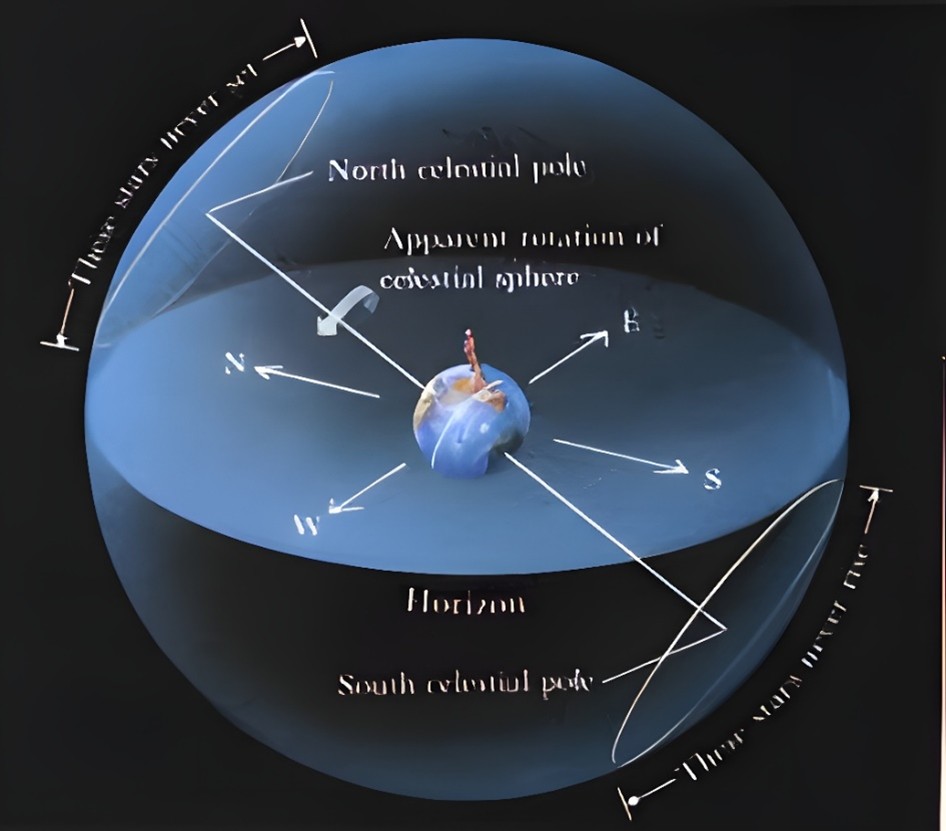
Fundamentals of Astronomy Part 2 – The Interplay of Earth and Sky
This section introduces the celestial sphere concept, describing how the apparent motion of the stars and planets is governed by Earth’s rotation and axial tilt. It defines key reference points such as the zenith, nadir, celestial poles, equator, and horizon, and explains how the observer’s latitude determines the altitude of the celestial poles.
The document also discusses the ecliptic, obliquity of the ecliptic, and how the Sun’s annual path shapes the apparent movement of celestial bodies across the sky.
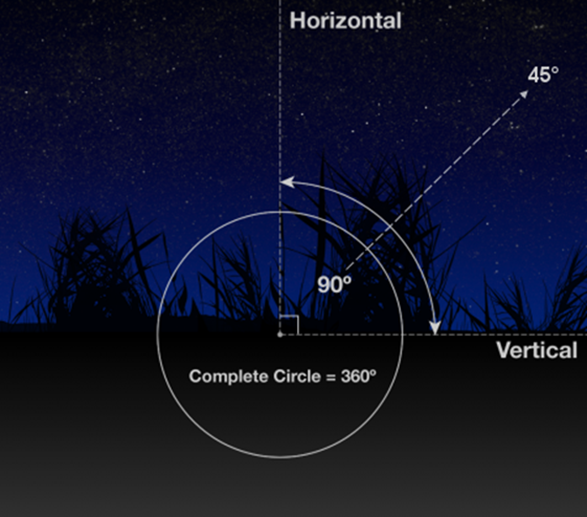
Fundamentals Of Astronomy Part 3 – Measuring the Sky
This document covers the angular measurement system used by astronomers, including degrees, arcminutes, and arcseconds. It explains how to estimate angular separations using hand and finger spans at arm’s length, providing practical guidance for naked-eye and binocular astronomy.
The text also introduces smaller measurement units used for telescopic fields and describes how these angular measures relate to observations and navigation in the night sky
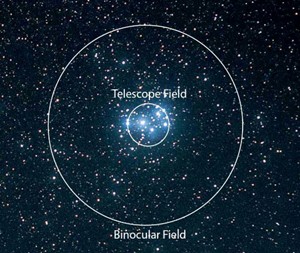
Fundamentals of astronomy part 4 – Why Your First Telescope Should Be a Pair of Binoculars
Here, the argument is made that binoculars, rather than a telescope, are the ideal first instrument for new amateur astronomers. The document systematically dismantles common misconceptions about beginner telescopes, addressing issues such as narrow field of view, awkward image orientation, poor mounts, and overpromised magnification.
It highlights the practical benefits of binoculars: ease of use, wide field, two-eyed comfort, portability, and the ability to quickly sweep and learn the night sky with minimal frustration
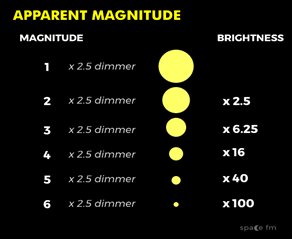
Fundamentals of Astronomy part 5 – The Magnitude System
This Article introduces and explains the apparent magnitude scale, the historical context behind its development, and the distinction between apparent and absolute magnitudes. It outlines the logarithmic nature of the system, emphasizing how each magnitude step corresponds to a ~2.5× difference in brightness.
The text also notes how the system extends to non-visible wavelengths and underlines the significance of magnitude measurements in both amateur and professional astronomical practiceFundamentals of Astronomy part 5 – The Magnitude System

Fundamentals Of Astronomy Part 6 – How Far Away Are The Stars
this article at the challenge of determining stellar distances, this part recounts historical attempts and philosophical speculation about star distances, moving through breakthroughs in parallax measurement.
It covers the geometry and methodology of trigonometric parallax, the historical milestones of Bessel, Struve, Henderson, and modern space missions like Hipparcos and Gaia. The text also explains the inverse square law of light, relating apparent and absolute magnitude to physical distance, and the limitations of various measurement techniques.
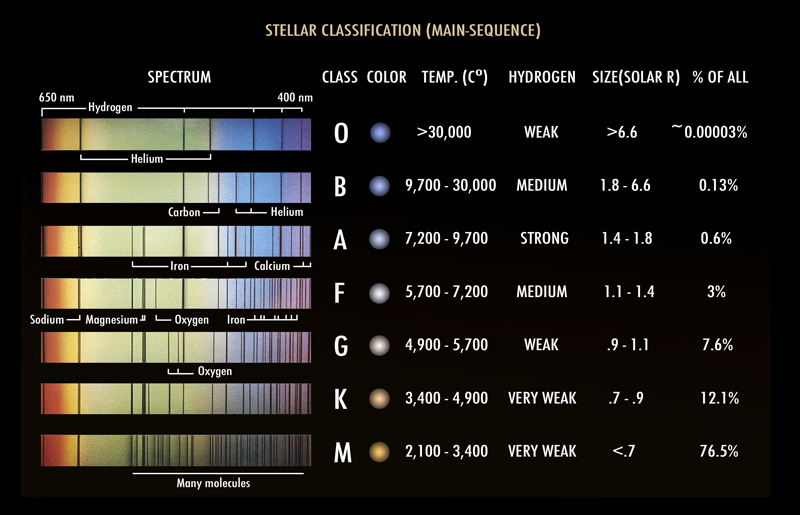
Fundamentals Of Astronomy Part 7 – Classification of the Stars
This Article presents the history and development of stellar classification, from ancient catalogs to modern spectroscopy.It describes early visual systems, Fraunhofer’s spectroscopic advances, Secchi’s four-class system, and the Harvard spectral classification (OBAFGKM), including the crucial work of Williamina Fleming, Antonia Maury, and Annie Jump Cannon. The text explains how classification based on spectra and temperature forms the basis of understanding stellar properties, evolution, and population studies.
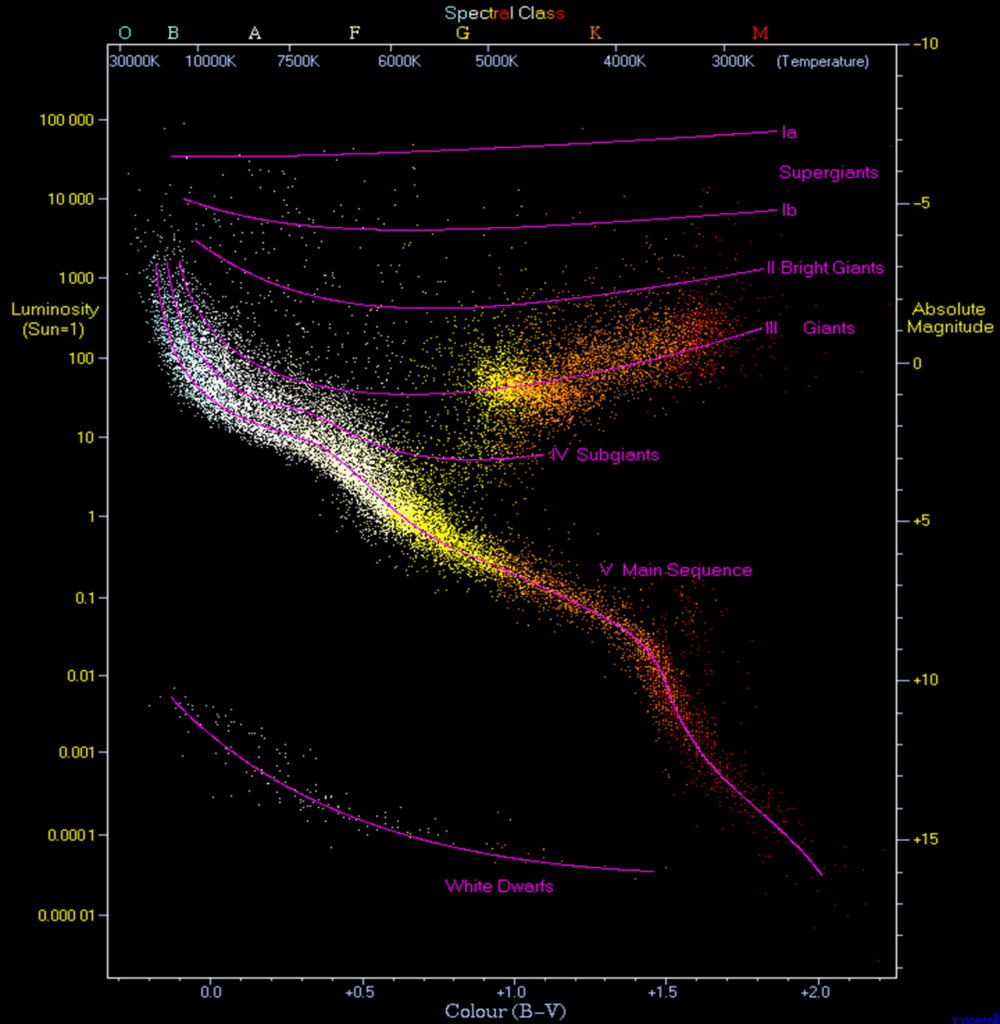
Fundamentals of astronomy Part 8 – The Hertzsprung–Russell Diagram
This article details the independent work of Ejnar Hertzsprung and Henry Norris Russell in creating the H-R diagram, which plots stars by luminosity and temperature (or spectral class).It covers the diagram’s structure, axes, and key regions (main sequence, giants, dwarfs), and outlines its fundamental importance in understanding stellar evolution, cluster ages, and the life cycles of stars. Biographical background on Hertzsprung and Russell and their wider impact on 20th-century astrophysics is also included
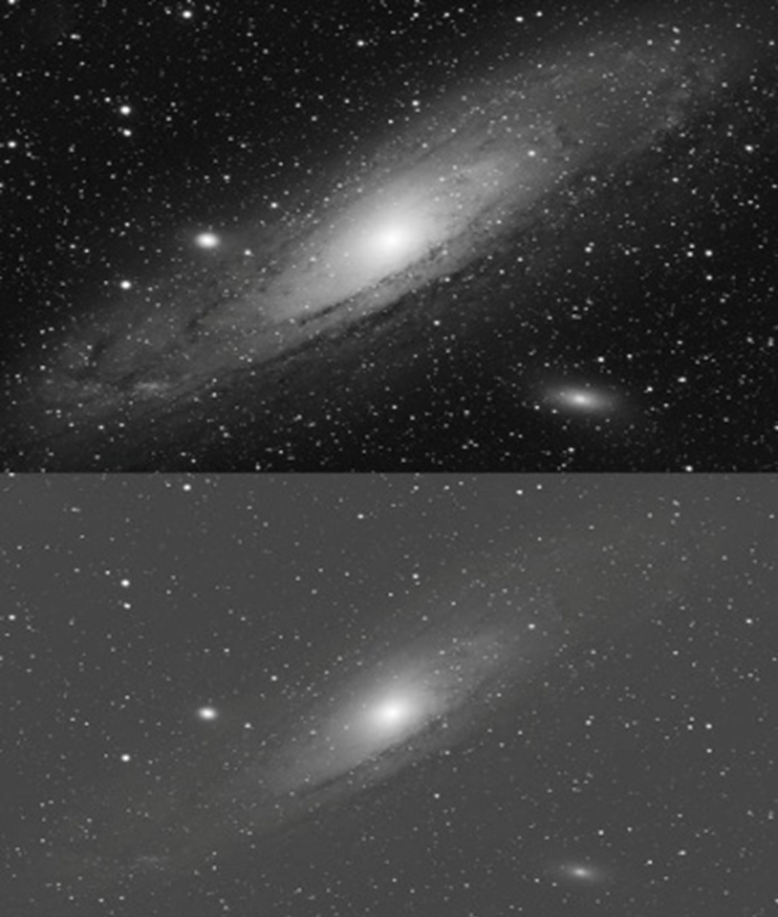
fundamentals of astronomy Part 9 -: Seeing, Transparency, and Dark Sky Ratings
This article examines how atmospheric conditions—specifically seeing, transparency, and light pollution (as quantified by the Bortle Scale)—affect astronomical observation.
It discusses the physics and subjective scales used to rate seeing and transparency, describes the impact of turbulence and pollution on observational clarity, and introduces mitigation strategies such as adaptive optics and site selection.
The document provides a practical framework for understanding and maximizing the quality of night-sky observations