
Historical Milestones
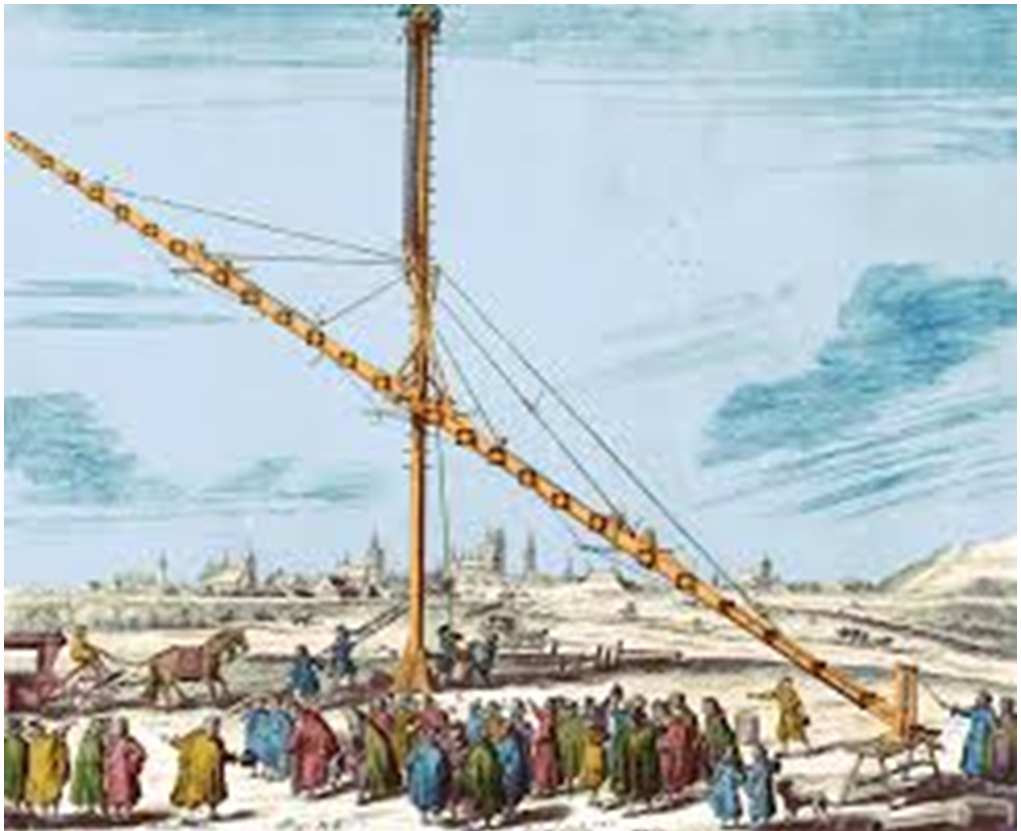
Skyward Innovation – The Rise of Aerial Telescopes in 17th and 18th Century Astronomy
This document examines the technological leap represented by aerial telescopes, which abandoned traditional tubes in favor of open-air, long-focus designs.
It highlights the contributions of key figures such as Huygens, Hevelius, Auzout, and Cassini, who pushed telescope focal lengths to extraordinary extremes in an effort to reduce chromatic and spherical aberrations.
The paper details both the groundbreaking discoveries enabled by these instruments—such as Saturn’s moons, the Cassini Division, and improved lunar and planetary mapping—and the immense practical difficulties of operating them. Ultimately, it positions aerial telescopes as a transitional stage: scientifically fruitful but unwieldy, soon rendered obsolete by achromatic refractors and improved reflectors. The study frames this period as a pivotal bridge between Galileo’s primitive optics and the compact, precise instruments of modern astronomy
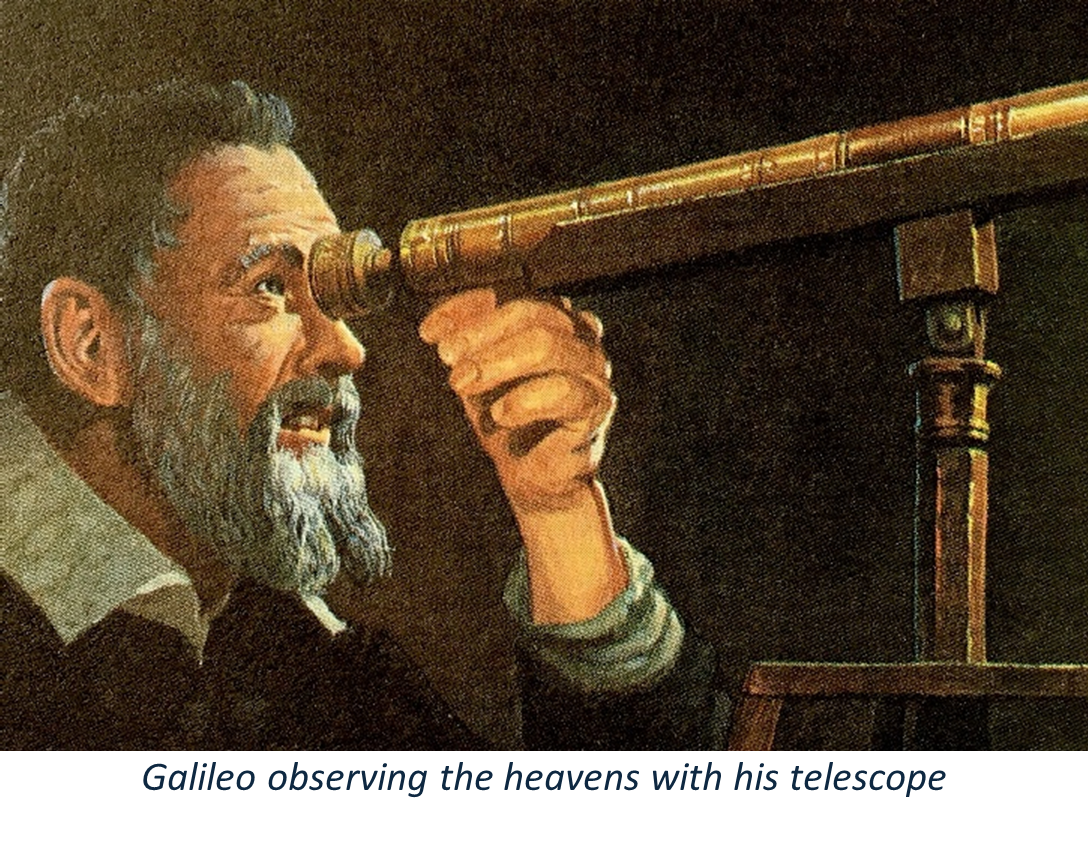
Through Galileo’s Eyes – A Personal Reflection on Discovery and Defiance
In Through Galileo’s Eyes, I invite readers to join me on a reflective journey through the life and legacy of Galileo Galilei—the man whose telescope transformed not only science, but our very sense of place in the universe. Blending history with personal perspective.
I explore his discoveries, his defiance, and the timeless spirit of curiosity that still binds us to his vision. This essay is both a tribute to Galileo’s courage and a meditation on what it means to look up, to question, and to seek truth among the stars.